
Introduction
Welcome to our forensic analysis of LEGO® Batman™: Legacy of the Dark Knight! As a game marketing analyst, I’m excited to dive deep into the marketing strategies employed on its Steam store page. With a release date set for May 29, 2026, this title is poised to capture the hearts of both LEGO enthusiasts and Batman fans alike.
Overview of the Game
Before we dissect the marketing strategies, let’s take a moment to appreciate the core offering:
- Title: LEGO® Batman™: Legacy of the Dark Knight
- Developer: TT Games
- Genre Tags: LEGO, Open World, Action-Adventure, 3D Platformer, Comic Book, Superhero, Funny, Co-op, Story Rich, and more.
This game promises a thrilling adventure through an open-world Gotham City, combining hard-hitting combat with the whimsical charm that LEGO is known for. Now, let’s break down the marketing tactics used on the Steam page.
Capsule Art Analysis
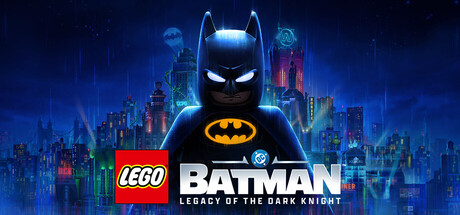
The capsule art is often the first impression potential buyers will have. LEGO® Batman™: Legacy of the Dark Knight utilizes vibrant colors and iconic character designs that immediately communicate its playful tone. The cover art features:
- Batman in a dynamic pose, ready for action.
- LEGO aesthetics that make it instantly recognizable to fans.
- A backdrop of Gotham City that sets the scene for adventure.
What They Did Right:
- Visual Appeal: The graphics are eye-catching and vibrant, aligning perfectly with the LEGO brand.
- Iconic Characters: Featuring beloved characters like Batman and possibly others like Robin or Joker will attract their fan base.
What Could Be Improved:
- Text Clarity: The title could be larger or bolder to ensure visibility even in smaller thumbnails.
Screenshots: The Power of Visual Storytelling
The screenshots on the Steam page are crucial for showcasing gameplay. Here’s how this game stands out:
- Diverse Environments: Screenshots display various locations within Gotham City, hinting at exploration opportunities.
- Combat Mechanics: Action shots of combat can intrigue players who crave challenging gameplay.
- Co-op Gameplay: Images that show multiple characters on-screen emphasize the multiplayer experience.
What They Did Right:
- Variety: A range of screenshots captures different gameplay elements, enticing different types of players.
- Cohesion: The visuals maintain a consistent LEGO theme, which reinforces brand identity.
What Could Be Improved:
- Highlighting Features: Adding captions or brief descriptions to each screenshot could enhance understanding and pique interest further.
Description Copy: Crafting the Perfect Narrative
The description is where the game’s selling points must shine through effectively. Here’s an analysis of the copy provided:
What They Did Right:
- Engaging Language: Phrases like "bold, action-packed adventure" and "hard-hitting combat" create excitement.
- Target Audience: The mention of “family-friendly” connects with parents looking for games suitable for children.
What Could Be Improved:
- Specificity: While the description is engaging, it could benefit from more specific details about gameplay features, such as unique abilities or character progression.
- Call to Action: Including a stronger call to action could motivate potential buyers to make a purchase.
Tags: The Importance of Categorization
Tags are vital for discoverability. LEGO® Batman™: Legacy of the Dark Knight effectively uses a diverse set of tags:
- Key Tags: Open World, Action-Adventure, Co-op, Casual, Family Friendly.
What They Did Right:
- Broad Appeal: The choice of tags covers various aspects of the game, ensuring it reaches a wider audience.
- Keyword Optimization: Tags like "LEGO" and "Superhero" are strategically chosen to attract searches.
What Could Be Improved:
- Tag Overlap: Some tags may be redundant. For instance, "Funny" and "Parody" could be consolidated for clarity.
Pricing Psychology: Setting the Right Price
While the exact price hasn’t been disclosed yet, pricing strategies can make or break a game’s success. Here are some considerations:
- Psychological Pricing: Setting the price just below a round number (e.g., $29.99 instead of $30) can psychologically influence buyers to perceive it as a better deal.
- Pre-order Incentives: Offering bonuses for pre-orders could drive initial sales and generate buzz.
Conclusion: What’s Next for LEGO® Batman™?
Overall, LEGO® Batman™: Legacy of the Dark Knight has a strong marketing foundation on its Steam page. By focusing on engaging visuals, effective use of tags, and enticing description copy, TT Games has laid out a promising roadmap for success. However, fine-tuning elements like clarity in visuals and enhancing the description could further boost its effectiveness.
For those looking to analyze their own game pages and implement similar strategies, check out our Steam Page Scanner to get started!
FAQs
-
What are the key marketing strengths of LEGO® Batman™?
The game features engaging visuals, a strong branding strategy, and well-selected tags that optimize discoverability. -
How can I improve my game's Steam description?
Focus on engaging language, specific gameplay details, and include a strong call to action. -
Why are tags important on the Steam page?
Tags enhance discoverability, helping potential buyers find the game in searches relevant to their interests. -
What pricing strategies work best for game releases?
Consider psychological pricing and pre-order incentives to maximize initial sales and interest. -
How can I attract a family-friendly audience?
Emphasize features that appeal to families, such as co-op gameplay and age-appropriate content in your marketing materials.
Frequently Asked Questions
What are the key marketing strengths of LEGO® Batman™?
The game features engaging visuals, a strong branding strategy, and well-selected tags.
How can I improve my game's Steam description?
Focus on engaging language, specific gameplay details, and include a strong call to action.
Why are tags important on the Steam page?
Tags enhance discoverability, helping potential buyers find the game in searches.
What pricing strategies work best for game releases?
Consider psychological pricing and pre-order incentives.
How can I attract a family-friendly audience?
Emphasize features that appeal to families, such as co-op gameplay.