
Introduction
Marketing an Adventure game on Steam requires a unique approach, given the genre's rich storytelling, immersive worlds, and player engagement. This guide will delve into what makes Adventure games appealing, analyze successful marketing patterns, and provide actionable strategies for indie developers.
What Makes Adventure Games Appealing to Players?
Adventure games captivate players through their engaging narratives and immersive environments. The appeal lies in several core elements:
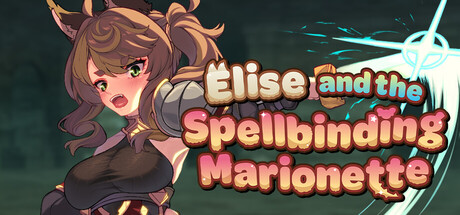
- Narrative Depth: Players are drawn to compelling stories, relatable characters, and emotional arcs. Games like Elise and the Spellbinding Marionette excel due to their intricate narratives that encourage exploration and engagement.
- Exploration and Discovery: Adventure games often reward curiosity. Players love uncovering secrets and solving puzzles, which creates a sense of accomplishment.
- Visual and Auditory Aesthetics: High-quality visuals and soundscapes enhance immersion. A well-designed environment can transport players to another world, making them feel part of the story.
- Player Agency: Giving players choices that influence the story or gameplay fosters a deeper connection and investment in the game.
Analyzing Successful Marketing Patterns in Adventure Games
Successful Adventure games on Steam share common marketing traits:
- Strong Branding and Positioning: Games like Elise and the Spellbinding Marionette utilize consistent visual themes and branding across their promotional materials. This helps create a recognizable identity that resonates with players.
- Engaging Trailers: High-quality trailers that showcase gameplay, story elements, and character development are essential. They should evoke emotions and entice players with beautiful visuals and gripping music.
- Community Engagement: Successful titles often build communities pre-launch and post-launch. Engaging with players through forums, social media, and Steam community hubs can create a loyal fanbase.
- Influencer Partnerships: Collaborating with YouTubers and Twitch streamers who focus on Adventure games can amplify reach. Their audiences are often highly engaged and more likely to support new releases.
- Targeted Promotions: Seasonal sales, bundles, and discounts can attract players. Consider participating in Steam sales to increase visibility and entice hesitant buyers.
Actionable Marketing Strategies for Indie Developers
1. Leverage Storytelling in Marketing
- Craft a Compelling Narrative for Your Game’s Marketing: Write a press release or pitch that encapsulates your game's story, themes, and emotional impact. Use it as a basis for your marketing materials.
- Create a Lore Trailer: Instead of focusing solely on gameplay, develop a trailer that highlights your game's lore and character backstories. This can draw in fans of narrative-driven experiences.
2. Visual Identity and Aesthetics
- Develop a Striking Art Style: Ensure that your game’s visual identity is clear. Use consistent art styles in all promotional materials, from your Steam page to social media posts.
- Utilize Beautiful Screenshots: High-quality screenshots showcasing your game’s environments, character designs, and key story moments can capture the attention of potential players.
3. Build a Community
- Engage on Steam and Social Media: Create discussion threads, post updates, and share behind-the-scenes content to keep your audience engaged. Utilize Steam Page Scanner to analyze competitor community strategies and adapt accordingly.
- Host Q&A Sessions: Use platforms like Reddit or Discord to host Q&A sessions with your audience. This interaction can build excitement and loyalty.
4. Optimize Your Steam Page
- Effective Use of Tags: Ensure your game is tagged appropriately. Use the Steam Tag Generator to discover relevant tags that align with your game's themes and gameplay elements. This helps enhance discoverability.
- Compelling Game Description: Write a clear, engaging description that highlights what sets your game apart. Use bullet points for key features, and make sure to include emotional hooks in your narrative.
5. Partner with Influencers
- Identify the Right Influencers: Research YouTubers and streamers who specialize in Adventure games. Reach out with a personalized message highlighting why your game would resonate with their audience.
- Provide Early Access: Offering influencers early access to your game can help generate buzz before launch. Encourage them to share their gameplay experiences.
6. Utilize User-Generated Content
- Encourage Fan Art and Mods: Create a space for players to share their interpretations of your game. This can foster community engagement and give your game additional visibility.
- Organize Contests: Host contests for fan art or creative content related to your game. This not only increases engagement but also generates shareable content for social media.
7. Analyze and Iterate
- Use Analytics Tools: Take advantage of Steamworks analytics to understand player behavior and preferences. Use this data to refine your marketing strategies.
- Feedback Loop: After launch, gather player feedback actively. Use it to improve your game and future marketing efforts.
Conclusion
Marketing an Adventure game on Steam is an intricate process that requires a balance of engaging storytelling, community building, and strategic promotion. By understanding the psychological hooks that appeal to Adventure players and employing effective marketing techniques, indie developers can successfully navigate the competitive landscape of Steam.
FAQ
- What are the best ways to promote an Adventure game on Steam?
Utilize engaging trailers, optimize your Steam page, engage with the community, and partner with influencers to promote your game effectively. - How can I create a visual identity for my Adventure game?
Focus on a consistent art style, high-quality visuals, and a compelling logo that reflects your game's theme and narrative. - What type of content should I share on social media?
Share behind-the-scenes content, character designs, lore snippets, and player-generated content to engage your audience and build excitement. - How important are tags for discoverability on Steam?
Tags are crucial for discoverability. Use the Steam Tag Generator to ensure you're using the most relevant and effective tags for your game. - How can I build a community around my game?
Engage with players through forums, social media, and Steam community hubs. Host Q&A sessions and encourage fan interactions to create a loyal community. - What metrics should I track to measure my marketing success?
Track player engagement, sales data, community growth, and feedback to evaluate the success of your marketing strategies and make necessary adjustments.
Frequently Asked Questions
What are the best ways to promote an Adventure game on Steam?
Utilize engaging trailers, optimize your Steam page, engage with the community, and partner with influencers to promote your game effectively.
How can I create a visual identity for my Adventure game?
Focus on a consistent art style, high-quality visuals, and a compelling logo that reflects your game's theme and narrative.
What type of content should I share on social media?
Share behind-the-scenes content, character designs, lore snippets, and player-generated content to engage your audience and build excitement.
How important are tags for discoverability on Steam?
Tags are crucial for discoverability. Use the Steam Tag Generator to ensure you're using the most relevant and effective tags for your game.
How can I build a community around my game?
Engage with players through forums, social media, and Steam community hubs. Host Q&A sessions and encourage fan interactions to create a loyal community.
What metrics should I track to measure my marketing success?
Track player engagement, sales data, community growth, and feedback to evaluate the success of your marketing strategies and make necessary adjustments.