
Introduction
The Indie game scene has exploded in popularity on platforms like Steam, offering a fresh perspective on game design and storytelling. Yet, making a mark in this crowded marketplace requires strategic marketing tailored to the sensibilities of Indie gamers. In this guide, we’ll explore what makes Indie games appealing, analyze successful marketing patterns, and provide actionable advice to help you effectively market your Indie game on Steam.
What Makes Indie Games Appealing to Players?
Indie games offer unique experiences that often diverge from mainstream titles. Here are some key factors that contribute to their appeal:
- Creativity and Innovation: Indie developers often experiment with gameplay mechanics, art styles, and narratives, providing players with fresh experiences.
- Authentic Stories: Many Indie games focus on storytelling that resonates on a personal level, allowing players to connect with characters and themes in a meaningful way.
- Community Engagement: Indie developers usually foster tight-knit communities, making players feel involved and valued.
- Affordability: Indie games are often priced lower than AAA titles, making them accessible to a wider audience.
- Nostalgia and Aesthetic: Many Indie games leverage retro aesthetics or nostalgic gameplay mechanics, appealing to players’ fond memories while introducing modern twists.
Analyzing Common Marketing Patterns in Successful Indie Games
To effectively market your Indie game, you need to understand the common strategies employed by successful titles:
1. Strong Visual Identity
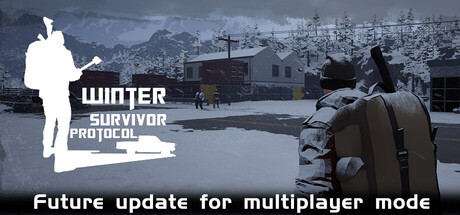
Indie games often have a distinct visual style that sets them apart. For example, Winter Survivor Protocol utilizes a unique art style that captures the attention of potential players. When developing your game’s marketing materials:
- Choose a cohesive color palette that reflects your game’s mood.
- Create eye-catching promotional artwork that showcases your game’s unique features.
- Use short animations or GIFs on social media to highlight gameplay mechanics.
2. Engaging Storytelling
Players are drawn to well-crafted narratives. When marketing your game, consider:
- Developing a compelling backstory for your game that resonates with players.
- Crafting a narrative for your marketing materials that reflects the game’s theme. Use storytelling techniques in your game description, trailers, and social media posts.
- Utilizing character-driven marketing, showcasing your characters in relatable scenarios to spark emotional engagement.
3. Community Building
Successful Indie games often foster strong communities. To build your own:
- Engage with your audience on social media platforms and forums like Reddit or Discord.
- Host giveaways, beta tests, and community events to create excitement and gather feedback.
- Encourage user-generated content by creating contests around art, mods, or fan fiction.
4. Leveraging Platforms and Tools
Utilizing the right tools can significantly enhance your visibility:
- Utilize the Steam Tag Generator to select relevant tags that accurately describe your game and make it easier for potential players to find it.
- Optimize your store page with high-quality visuals, a captivating trailer, and engaging copy that highlights what makes your game unique.
- Collaborate with content creators, streamers, and influencers who can showcase your game to their audience, boosting visibility.
Specific, Actionable Marketing Advice for Indie Developers
To successfully market your Indie game, implement the following strategies:
1. Create a Pre-Launch Buzz
- Build a landing page for your game early on. Use it to collect email addresses from interested players, offering exclusive updates or early access in return.
- Share development updates through blogs or vlogs to keep your audience engaged and invested in your journey.
- Leverage social media to tease your game with behind-the-scenes content, artwork, or gameplay clips.
2. Launch Day Strategy
- Coordinate with influencers and press to ensure coverage on launch day. Provide them with early access to your game and press kits.
- Run a promotional event on Steam, such as discounts or bundled offers, to encourage purchases.
- Engage with your community on Steam forums and social media, thanking players and encouraging them to share their experiences.
3. Post-Launch Engagement
- Continue engaging with your community by providing regular updates, patches, and new content based on feedback. This shows players that you care and are actively improving their experience.
- Host events or challenges within your game to keep the community active and engaged.
- Collect and showcase player testimonials on your store page and social media to build credibility and attract new players.
4. Utilize Data and Feedback
- Monitor player reviews and feedback to understand what resonates with your audience. Use tools like the Steam Page Scanner to analyze your store page’s performance.
- Adjust your marketing strategies based on data analysis, focusing on what drives engagement and sales.
- Iterate on your game based on community feedback, ensuring you’re meeting player expectations and desires.
5. Diversify Your Marketing Channels
- Utilize multiple platforms for promotion, including social media (Twitter, Instagram, TikTok), gaming forums, and Steam itself. Each platform can cater to different segments of your audience.
- Consider cross-promotion with other Indie developers, where you can share audiences and build each other’s visibility.
- Explore advertising options, such as Facebook or Google Ads, targeting specific demographics that align with your game’s theme and gameplay.
Conclusion
Marketing an Indie game on Steam requires a blend of creativity, strategic planning, and community engagement. By understanding what makes Indie games appealing, analyzing successful marketing patterns, and implementing actionable strategies, you can carve out a niche for your game in this exciting genre. Remember to stay true to your vision while adapting to player feedback and market trends. With dedication and the right approach, your Indie game can gain the visibility it deserves.
FAQ
-
Q: What is the best way to find my target audience?
A: Use tools like the Steam Tag Generator to identify audience segments based on game tags and genres. Engage with communities on social media or forums to understand their preferences. -
Q: How important are visuals in marketing my Indie game?
A: Very important! Strong visuals can capture attention and convey your game's essence quickly. Invest time in creating appealing artwork and trailers. -
Q: Should I focus on social media or other marketing channels?
A: A balanced approach is best. Utilize social media, gaming forums, and influencer marketing to reach a broader audience while fostering community engagement. -
Q: How can I leverage community feedback post-launch?
A: Monitor reviews and actively engage with your community. Use their feedback to improve gameplay, fix bugs, and introduce new content that enhances player experience. -
Q: Is it worth investing in paid advertising for an Indie game?
A: Yes, but approach it strategically. Target specific demographics and use A/B testing to determine what resonates best with your audience. -
Q: What are some effective ways to create buzz before launch?
A: Build a landing page, share behind-the-scenes content, and engage with potential players through social media and newsletters to create excitement leading up to your launch.
Frequently Asked Questions
What is the best way to find my target audience?
Use tools like the Steam Tag Generator to identify audience segments based on game tags and genres. Engage with communities on social media or forums to understand their preferences.
How important are visuals in marketing my Indie game?
Very important! Strong visuals can capture attention and convey your game's essence quickly. Invest time in creating appealing artwork and trailers.
Should I focus on social media or other marketing channels?
A balanced approach is best. Utilize social media, gaming forums, and influencer marketing to reach a broader audience while fostering community engagement.
How can I leverage community feedback post-launch?
Monitor reviews and actively engage with your community. Use their feedback to improve gameplay, fix bugs, and introduce new content that enhances player experience.
Is it worth investing in paid advertising for an Indie game?
Yes, but approach it strategically. Target specific demographics and use A/B testing to determine what resonates best with your audience.
What are some effective ways to create buzz before launch?
Build a landing page, share behind-the-scenes content, and engage with potential players through social media and newsletters to create excitement leading up to your launch.