
Understanding the RPG Genre Appeal
Role-playing games (RPGs) are among the most beloved genres in the gaming industry. They captivate players with immersive worlds, compelling narratives, and deep character customization. To effectively market an RPG on Steam, one must understand what draws players to this genre. Here are the key elements:
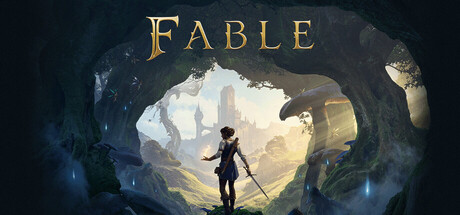
- Narrative Depth: Players seek rich stories and character arcs. Games like Fable and FINAL FANTASY RESONANCE excel in creating emotional connections that keep players invested.
- Character Development: RPGs often allow players to grow their characters from humble beginnings to legendary heroes. This progression is compelling and encourages long-term engagement.
- Exploration and Freedom: The freedom to explore vast worlds, make choices, and influence the game’s outcome is a core appeal. Titles like Minecraft Dungeons II emphasize player agency, drawing players into their unique experiences.
Analyzing Successful RPG Marketing Patterns
1. Strong Visual Identity
Successful RPGs often showcase unique art styles that resonate with their themes. For instance, DRAGON QUEST MONSTERS: The Withered World uses vibrant colors and engaging character designs to attract players.
- Actionable Tip: Invest in high-quality artwork and a cohesive visual theme that reflects your game’s narrative and setting. Use the Steam Tag Generator to ensure you’re tagging your game correctly for discoverability.
2. Engaging Trailers and Demos
Great trailers capture the essence of the game, highlighting gameplay mechanics, story elements, and character development. Demos allow players to experience a snippet of the game, which can lead to increased interest and wishlisting.
- Actionable Tip: Create a cinematic trailer that showcases key features and include gameplay snippets. Offer a demo during your early access phase to build anticipation.
3. Community Engagement
Building a community around your game is crucial. Games like Fable have thrived due to their strong player communities that share strategies, fan art, and stories.
- Actionable Tip: Utilize Steam forums, Discord servers, and social media to interact with your audience. Host Q&A sessions, ask for feedback, and encourage user-generated content.
4. Leverage Steam Features
Steam offers numerous features that can enhance your RPG’s visibility. Utilizing tags, community hubs, and achievements can significantly impact your marketing strategy.
- Actionable Tip: Use relevant tags in your Steam listing (like RPG, Adventure, Indie) and consider cross-promotions with similar titles. The Steam Page Scanner can help you analyze competitor pages for insights.
Actionable Advice for Indie Developers
1. Craft Your Unique Selling Proposition (USP)
Identify what sets your RPG apart from the competition. Is it the unique art style, an innovative combat system, or a groundbreaking narrative? Your USP should be clear in all marketing materials.
- Example: If your RPG features a unique time-travel mechanic, emphasize this in your tagline and promotional content.
2. Utilize Social Proof
Showcase positive reviews, player testimonials, and endorsements from influencers in your marketing materials. This builds credibility and encourages potential players to take the plunge.
- Actionable Tip: Send early access keys to gaming influencers and encourage them to share their thoughts on social media.
3. Optimize Your Steam Page
Your Steam page is often the first impression players have of your game. Ensure that your page is optimized with:
- Compelling descriptions that highlight the narrative and gameplay.
- High-quality screenshots and videos showcasing gameplay and graphics.
- Properly categorized tags and genres to improve discoverability.
- Actionable Tip: Regularly update your Steam page with fresh content and announcements to keep your audience engaged.
4. Conduct Market Research
Analyze the competition and identify trends in the RPG genre. Look for successful marketing strategies used by AAA titles and indie developers alike.
- Actionable Tip: Create a spreadsheet comparing features, pricing, and marketing tactics of successful RPGs, including the games mentioned above.
5. Run Targeted Advertising Campaigns
Consider using targeted ads on platforms like Facebook, Instagram, and Google Ads to reach potential players. Tailor your ads to highlight the unique aspects of your RPG.
- Actionable Tip: Use demographic insights to target your ads based on interests related to RPGs, gaming behavior, and user engagement.
6. Plan for Post-Launch Support
After launch, keep the momentum going by providing updates, patches, and new content. This keeps players engaged and can lead to positive reviews and word-of-mouth marketing.
- Actionable Tip: Develop a roadmap for future content updates and share it with your community to maintain interest and excitement.
Visual Themes and Copy Tone
1. Visual Themes
The visual theme should align with the narrative and emotional tone of your RPG. Darker themes may suit a grim tale, while bright, colorful aesthetics may work for a lighthearted adventure.
- Actionable Tip: Create concept art and mood boards early in development to establish a consistent visual identity.
2. Copy Tone
The copy used in your marketing should resonate with your target audience. Use a tone that reflects the game’s personality—be it whimsical, dramatic, or epic.
- Actionable Tip: Test different copy styles in your marketing materials and monitor engagement to determine what resonates best with your audience.
Conclusion
Marketing an RPG on Steam requires a deep understanding of both the genre and the audience. By crafting a compelling narrative, engaging with your community, and utilizing Steam’s features, indie developers can carve out a niche in this competitive market. Remember to leverage visuals, optimize your Steam page, and adapt based on player feedback. With these strategies, your RPG could be the next big hit!
FAQ
-
Q1: What are the best tags to use for an RPG on Steam?
A1: Use tags like RPG, Adventure, Indie, Story Rich, and Action to enhance discoverability. Utilize the Steam Tag Generator for more options. -
Q2: How important are trailers for RPG marketing?
A2: Trailers are crucial as they visually represent your game and can hook potential players. A well-crafted trailer can significantly enhance interest. -
Q3: Should I offer a demo for my RPG?
A3: Yes, offering a demo can increase interest and allow players to experience your game before buying, often leading to more wishlists and sales. -
Q4: How can I build a community around my RPG?
A4: Engage with players on social media, forums, and Discord. Regular interaction, feedback requests, and community events foster a loyal fanbase. -
Q5: What role does visual identity play in marketing?
A5: A strong visual identity helps your game stand out and conveys the tone and themes effectively, making it more appealing to potential players. -
Q6: How often should I update my Steam page?
A6: Regular updates keep your audience engaged. Announce major news, post content updates, or share community highlights to maintain interest.
Frequently Asked Questions
What are the best tags to use for an RPG on Steam?
Use tags like RPG, Adventure, Indie, Story Rich, and Action to enhance discoverability. Utilize the Steam Tag Generator for more options.
How important are trailers for RPG marketing?
Trailers are crucial as they visually represent your game and can hook potential players. A well-crafted trailer can significantly enhance interest.
Should I offer a demo for my RPG?
Yes, offering a demo can increase interest and allow players to experience your game before buying, often leading to more wishlists and sales.
How can I build a community around my RPG?
Engage with players on social media, forums, and Discord. Regular interaction, feedback requests, and community events foster a loyal fanbase.
What role does visual identity play in marketing?
A strong visual identity helps your game stand out and conveys the tone and themes effectively, making it more appealing to potential players.
How often should I update my Steam page?
Regular updates keep your audience engaged. Announce major news, post content updates, or share community highlights to maintain interest.