
Introduction
Simulation games have carved out a unique niche in the gaming world, offering players immersive experiences that mimic real-life scenarios or create entirely new worlds. Games like Frostpunk 2: Breach of Trust and Farm to Table exemplify the genre's capacity to engage players through detailed mechanics and intricate storytelling. In this guide, we’ll explore what makes Simulation games appealing, analyze successful marketing patterns, and provide actionable advice for indie developers looking to thrive in this competitive sector.
What Makes Simulation Games Appealing to Players?
Simulation games attract players for several reasons:
- Realism and Immersion: Players enjoy the challenge of realistic scenarios, from managing a city in Frostpunk 2 to running a restaurant in Farm to Table. The ability to create, control, and influence outcomes adds a layer of satisfaction.
- Creativity and Freedom: Many Simulation games allow players to express their creativity, whether it’s designing a farm layout or strategizing city expansion. This open-ended nature resonates with players seeking autonomy in gameplay.
- Problem-Solving and Strategy: The genre often requires players to think critically, solve problems, and make strategic decisions, which can be highly rewarding.
- Community and Sharing Experiences: Simulation games often foster community building, with players eager to share their unique creations or strategies online.
By understanding these appealing aspects, marketers can tailor their strategies to highlight them effectively.
Analyzing Common Marketing Patterns in Successful Simulation Games
When examining successful Simulation games, certain marketing patterns emerge:
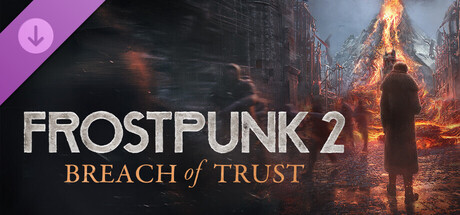
- Strong Visual Identity: Games like Frostpunk 2 leverage striking visuals to communicate their themes. The art style and design must resonate with the game's core message. Indie developers should invest in high-quality graphics and UI that appeal to their target audience.
- Engaging Trailers: The best Simulation games utilize compelling trailers that showcase gameplay mechanics, emotional storytelling, and unique features. A well-crafted trailer can hook potential players, so consider investing time in creating a narrative that complements your gameplay.
- Community Engagement: Engaging with the community through forums, Discord servers, or social media platforms is crucial. Developers who actively participate in discussions, gather feedback, and share development updates build a loyal following.
- Demos and Early Access: Offering a demo or an Early Access version can attract players before the official release. This strategy not only builds anticipation but also provides invaluable feedback for fine-tuning the game.
- User-Generated Content: Enabling mods or user-generated content can significantly boost a game’s longevity and community engagement, as seen with various Simulation titles. Encourage players to share their creations within your community.
Actionable Advice for Indie Developers Making Simulation Games
Here are specific, actionable strategies for indie developers in the Simulation genre:
1. Define Your Unique Selling Proposition (USP)
Identify what makes your Simulation game different. Is it the setting, mechanics, or story? For example, Farm to Table captures players with its intriguing theme of restaurant management intertwined with farming. Highlight your USP in all marketing materials.
2. Leverage Steam Tagging Effectively
Utilize the Steam Tag Generator to find the most relevant tags for your game. Proper tagging helps in reaching your target audience by making your game more discoverable. Research similar games to analyze their tagging strategy.
3. Create Compelling Visual Assets
Invest in visually appealing marketing materials. Consider hiring a professional graphic designer to create eye-catching thumbnails, promotional images, and banners. Ensure that your visual assets align with the themes of your game.
4. Build a Strong Narrative
Craft a narrative around your game that resonates with players. Use storytelling in your marketing campaigns to create emotional connections. For instance, Frostpunk 2 effectively uses its dystopian theme to draw players into its world.
5. Engage Through Multiple Channels
Utilize multiple platforms to reach potential players. Besides Steam, consider using social media, YouTube, and gaming forums to share development updates, gameplay videos, and community challenges.
6. Encourage and Showcase Community Interaction
Encourage players to share their experiences and creations. Organize contests or challenges that allow players to showcase their strategies or designs. Highlighting community engagement can create buzz around your game and attract new players.
7. Utilize Influencer Marketing
Reach out to gaming influencers or streamers who specialize in Simulation games. They can provide authentic exposure to their followers, which can be particularly effective in building credibility for your title.
8. Optimize Your Steam Page
Ensure that your Steam page is optimized with a clear description, engaging visuals, and appropriate tags. Use keywords effectively to improve searchability. Focus on presenting a polished and professional appearance as this can significantly impact purchasing decisions.
Visual Themes, Copy Tone, and Positioning Strategies
Visual Themes
The visual theme of your game should align with its gameplay mechanics and narrative. For instance, Frostpunk 2 uses a dark, gritty aesthetic to match its survival theme, while Farm to Table employs bright, colorful graphics that evoke a sense of warmth and community. Consider the emotions you want to evoke and align your art style accordingly.
Copy Tone
The tone of your copy should resonate with your target audience. Simulation players appreciate clarity, information, and a touch of creativity. Use engaging language that communicates the unique aspects of your game without overwhelming potential players with jargon.
Positioning Strategies
Position your game in a way that highlights its strengths. For example, if your game offers unique mechanics or focuses on a niche aspect of Simulation (like sustainability in farming), emphasize this in your marketing. Create a brand identity that reflects your game’s core values and mission.
Conclusion
Marketing Simulation games on Steam requires a strategic approach that combines visual appeal, community engagement, and effective communication. By understanding the genre's dynamics and implementing the strategies outlined in this guide, indie developers can carve out their own space in the competitive landscape of Simulation games. Remember to focus on what makes your game unique and engage with your audience authentically.
FAQs
- What are the best ways to promote my Simulation game on Steam?
Utilize social media, create engaging trailers, and participate in community discussions. Consider offering demos or engaging influencers for broader reach. - How important are visuals in marketing Simulation games?
Extremely important! Strong visuals can capture attention and communicate the essence of your game, making it more appealing to potential players. - Should I use Steam's Early Access feature?
Yes, if done correctly, Early Access can help gather feedback and build a player base before the full release. - What role does community play in the success of Simulation games?
Community engagement can create a loyal player base, encourage word-of-mouth marketing, and provide valuable feedback for ongoing development. - How can I effectively use Steam tags?
Use the Steam Tag Generator to find relevant tags, and analyze similar games to ensure accurate and targeted tagging for better discoverability. - What kind of content should I share on social media?
Share development updates, gameplay highlights, player testimonials, and community contests to keep your audience engaged and informed.
Frequently Asked Questions
What are the best ways to promote my Simulation game on Steam?
Utilize social media, create engaging trailers, and participate in community discussions. Consider offering demos or engaging influencers for broader reach.
How important are visuals in marketing Simulation games?
Extremely important! Strong visuals can capture attention and communicate the essence of your game, making it more appealing to potential players.
Should I use Steam's Early Access feature?
Yes, if done correctly, Early Access can help gather feedback and build a player base before the full release.
What role does community play in the success of Simulation games?
Community engagement can create a loyal player base, encourage word-of-mouth marketing, and provide valuable feedback for ongoing development.
How can I effectively use Steam tags?
Use the Steam Tag Generator to find relevant tags, and analyze similar games to ensure accurate and targeted tagging for better discoverability.
What kind of content should I share on social media?
Share development updates, gameplay highlights, player testimonials, and community contests to keep your audience engaged and informed.