
Introduction
The Strategy genre has long been a staple in the gaming community, appealing to players who enjoy tactical decision-making, resource management, and intricate gameplay mechanics. As an indie developer, marketing your strategy game on Steam requires a well-thought-out approach that resonates with your target audience. This guide provides an in-depth analysis of what makes strategy games appealing, common marketing patterns among successful titles, and actionable advice tailored for indie developers.
What Makes Strategy Games Appealing?
1. Intellectual Challenge
Strategy games often appeal to players who enjoy a challenge. They require critical thinking, foresight, and problem-solving skills. When marketing your game, emphasize how your game offers unique challenges and encourages players to think strategically.
2. Progression and Accomplishment
Players are motivated by the progression systems found in strategy games. Highlight levels, achievements, and unlockable content in your marketing materials to appeal to this desire for accomplishment.
3. Community and Competition
The social aspect of Strategy games is crucial. Many titles offer multiplayer modes that foster competition and collaboration. Use this to your advantage by promoting community events, tournaments, and leaderboards.
4. Immersive World-Building
Strategy games often feature rich lore and world-building that draws players in. Craft a compelling narrative around your game that entices players to explore the backstory and universe.
Analyzing Common Marketing Patterns
1. Effective Use of Visuals
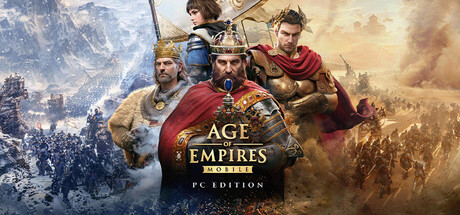
Strategy games often rely on stunning visuals and UI/UX design to attract players. Titles like Age of Empires Mobile: PC Edition employ high-quality graphics and intuitive interfaces that enhance the gaming experience. When marketing your game, ensure that your visuals are striking and represent the gameplay accurately.
2. Engaging Trailers and Demos
Successful strategy games often feature captivating trailers that showcase gameplay mechanics, world-building, and player interactions. Consider creating a demo version of your game to allow potential players to experience a portion of your game firsthand. Utilize Steam Page Scanner to analyze successful trailers and optimize your own.
3. Niche Targeting
Many successful strategy games target specific niches within the genre, such as historical strategy or fantasy tactics. Identify your game's unique selling proposition (USP) and market it directly to those niche audiences. Use the Steam Tag Generator to find tags that resonate with your intended audience.
4. Community Engagement
Building a community around your game can significantly increase its visibility. Engage with players on platforms like Discord, Reddit, and Steam forums. Share development updates, solicit feedback, and create content that encourages community involvement.
Actionable Marketing Advice for Indie Developers
1. Identify Your Audience
Understand who your potential players are. Conduct market research to identify demographics, preferences, and gaming habits. Tailor your marketing strategies to their interests and preferences.
2. Leverage Steam’s Features
Utilize Steam's built-in features like Early Access, user reviews, and community hubs. Early Access can generate buzz and gather player feedback, while reviews can enhance your game's credibility.
3. Create a Compelling Store Page
Your Steam store page is crucial in converting visitors into buyers. Ensure it includes:
- High-quality assets: Screenshots, trailers, and GIFs that showcase gameplay.
- Compelling copy: Describe your game with an engaging narrative that highlights its unique features.
- Clear call-to-action: Encourage visitors to add your game to their wishlist or purchase it directly.
4. Run Targeted Ads
Invest in targeted advertising on social media platforms and through Steam itself. Use A/B testing to determine which ads resonate best with your audience. Focus on key aspects of your game that differentiate it from competitors.
5. Collaborate with Influencers
Reach out to gaming influencers and streamers who focus on the Strategy genre. Building partnerships can provide exposure and credibility. Consider offering them early access to your game in exchange for coverage.
6. Participate in Game Festivals
Showcasing your game at online or physical gaming festivals can provide valuable exposure. Engage with attendees, gather feedback, and network with other developers and publishers.
Visual Themes and Copy Tone
1. Visual Themes
Strategy games often feature thematic visuals that reflect their gameplay. For instance, historical strategy games might use earthy tones and rugged textures, while fantasy games may have vibrant colors and whimsical designs. Ensure your visual themes align with your game’s narrative and target audience.
2. Copy Tone
Your marketing copy should mirror the tone of your game. If your game is light-hearted and whimsical, use a playful tone in your marketing materials. Conversely, if your game is serious and tactical, adopt a more formal tone. This consistency helps set player expectations.
Conclusion
Marketing Strategy games on Steam requires a comprehensive approach that encompasses understanding player motivations, employing effective marketing techniques, and engaging with your community. By leveraging the insights provided in this guide, indie developers can position their games for success in a competitive landscape.
FAQ
1. What are the best platforms to market my Strategy game?
Steam is the primary platform for PC gamers, but also consider social media (Twitter, Facebook), gaming forums, and influencer channels.
2. How important is community engagement for Strategy games?
Extremely important; it fosters loyalty and can significantly enhance word-of-mouth marketing.
3. Should I use Early Access for my Strategy game?
Yes, it can be beneficial for gathering player feedback and generating buzz prior to full release.
4. What kind of visuals should I focus on for my marketing materials?
High-quality screenshots, gameplay clips, and engaging trailers that accurately represent your game’s mechanics and atmosphere.
5. How can I optimize my Steam store page?
Use high-quality visuals, engaging copy, clear calls to action, and leverage tags effectively using the Steam Tag Generator.
6. What are common pitfalls in marketing Strategy games?
Neglecting community engagement, failing to identify your audience, and not utilizing Steam’s features effectively are common pitfalls.
Frequently Asked Questions
What are the best platforms to market my Strategy game?
Steam is the primary platform for PC gamers, but also consider social media (Twitter, Facebook), gaming forums, and influencer channels.
How important is community engagement for Strategy games?
Extremely important; it fosters loyalty and can significantly enhance word-of-mouth marketing.
Should I use Early Access for my Strategy game?
Yes, it can be beneficial for gathering player feedback and generating buzz prior to full release.
What kind of visuals should I focus on for my marketing materials?
High-quality screenshots, gameplay clips, and engaging trailers that accurately represent your game’s mechanics and atmosphere.
How can I optimize my Steam store page?
Use high-quality visuals, engaging copy, clear calls to action, and leverage tags effectively using the Steam Tag Generator.
What are common pitfalls in marketing Strategy games?
Neglecting community engagement, failing to identify your audience, and not utilizing Steam’s features effectively are common pitfalls.