
Understanding the Appeal of RPG Games
RPGs, or Role-Playing Games, captivate players through deep storytelling, character customization, and immersive worlds. Players are not just observers; they become part of a narrative, making choices that impact their journey. Here are key elements that make RPGs appealing:
- Character Development: Players enjoy evolving their characters, enhancing skills, and crafting unique identities.
- Storytelling: Engaging narratives with branching paths encourage emotional investment.
- Exploration: Vast worlds filled with secrets and lore invite players to explore at their own pace.
- Community: Many RPGs feature multiplayer aspects or communities that foster social interaction and shared experiences.
Analyzing Successful RPG Marketing Patterns
To effectively market RPGs on Steam, it’s essential to analyze successful titles. Here are common marketing strategies:
1. Compelling Storylines and Lore
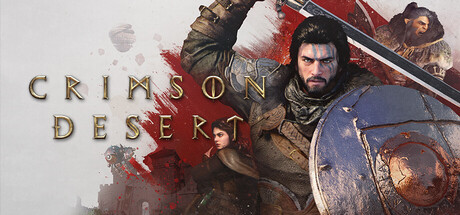
Successful RPGs like Crimson Desert leverage rich lore to draw in players. The marketing materials should highlight the story, character backstories, and world-building to pique interest.
2. Strong Visual Identity
The art style plays a significant role in attracting players. For instance, Monster Hunter Stories 3 uses vibrant visuals to convey its adventurous spirit. Use stunning screenshots and trailers to showcase the game's art style and atmosphere.
3. Engaging Trailers
Trailers are a vital marketing tool. Successful RPGs often create trailers that:
- Highlight gameplay mechanics
- Introduce characters
- Tease the story arc For example, FATAL FRAME II: Crimson Butterfly REMAKE utilizes tension and atmosphere in its trailers to captivate horror RPG fans.
4. Community Engagement
Engaging with the community through forums, social media, and Discord can build a loyal fanbase. Successful RPGs often showcase player-generated content or feedback to create a sense of belonging.
5. Comprehensive Steam Page Optimization
Utilize the Steam Page Scanner to ensure your Steam page is optimized. Key elements to focus on include:
- Keywords: Use RPG-related keywords in your description to enhance discoverability.
- Tags: Implement appropriate tags using the Steam Tag Generator to reach your target audience effectively.
- Screenshots & Videos: Use high-quality visuals and engaging videos to showcase gameplay.
Actionable Strategies for Indie Developers
As an indie developer, here are specific, actionable marketing strategies tailored for your RPG game:
1. Define Your Unique Selling Proposition (USP)
Identify what makes your RPG unique. Is it the story, combat system, or character customization? Communicate this clearly in your marketing materials.
2. Build an Engaged Community Early
Start building your community before launch. Use social media, forums, and crowdfunding platforms to gather feedback and create excitement. Engage with potential players through:
- Dev Blogs: Regular updates on development can create anticipation.
- Beta Testing: Involve players in testing phases to gather feedback and build trust.
3. Leverage Influencer Marketing
Collaborate with streamers and content creators who focus on RPGs. They can provide exposure to your game by playing it live, sharing their experiences, and reaching a broader audience.
4. Utilize Content Marketing
Create content that resonates with RPG fans. This could include:
- Lore Articles: Write articles that delve into your game’s lore and world-building.
- Character Spotlights: Feature different characters in your game, discussing their backstories and significance.
5. Optimize Your Steam Store Page
Make sure your Steam store page is visually appealing and informative. Key tips include:
- Clear Descriptions: Write a concise yet compelling description that captures the essence of your game.
- Call-to-Action (CTA): Include strong CTAs in your descriptions to encourage wishlist additions or purchases.
- Regular Updates: Keep your Steam page updated with new content, especially leading up to launch.
6. Monitor and Analyze Your Metrics
Utilize Steam’s analytics to monitor engagement and conversion rates. Adjust your marketing strategies based on what works best for your audience.
Visual Themes and Copy Tone
RPG marketing benefits from thematic consistency across visuals and copy. Here are some guidelines:
- Visual Themes: Use colors and art styles that reflect your game’s tone. Darker themes work for horror RPGs, while vibrant colors suit adventurous or whimsical titles.
- Copy Tone: Your tone should resonate with your audience. Use immersive language that reflects the game’s narrative style. For instance, a fantasy RPG might use epic and grandiose language, while a sci-fi RPG could adopt a more technical or futuristic tone.
Positioning Strategies
Position your RPG in a way that highlights its unique attributes. Consider using these strategies:
- Niche Marketing: Focus on specific sub-genres like tactical RPGs or action RPGs to reach dedicated audiences.
- Seasonal Promotions: Use seasonal events or holidays to launch special promotions that resonate with RPG fans, such as themed sales or content updates.
Conclusion
Marketing RPG games on Steam requires a blend of creativity, engagement, and strategic planning. By understanding what makes RPGs appealing, analyzing successful patterns, and implementing actionable strategies, indie developers can carve out a niche in this competitive genre. Focus on creating a strong community, optimizing your Steam presence, and leveraging visual and narrative elements to attract players effectively.
FAQ
-
What makes RPGs different from other genres?
RPGs emphasize character development, storytelling, and player choice, creating a unique immersive experience. -
How important is community engagement for RPGs?
Community engagement is crucial as it fosters loyalty and allows developers to gather feedback and create a dedicated player base. -
What types of content should I focus on for marketing?
Focus on trailers, dev blogs, and character spotlights that resonate with your audience. -
How can I optimize my Steam page effectively?
Use relevant keywords, high-quality visuals, and engaging descriptions to enhance your Steam page’s appeal. -
What role do influencers play in RPG marketing?
Influencers can significantly boost your exposure by sharing gameplay experiences with their followers, generating interest and trust. -
Is it worth running paid ads for my RPG?
Yes, paid ads can be effective when targeting specific audiences on platforms like Facebook, Instagram, and even Twitch, especially if your game has unique features that stand out.
Frequently Asked Questions
What makes RPGs different from other genres?
RPGs emphasize character development, storytelling, and player choice, creating a unique immersive experience.
How important is community engagement for RPGs?
Community engagement is crucial as it fosters loyalty and allows developers to gather feedback and create a dedicated player base.
What types of content should I focus on for marketing?
Focus on trailers, dev blogs, and character spotlights that resonate with your audience.
How can I optimize my Steam page effectively?
Use relevant keywords, high-quality visuals, and engaging descriptions to enhance your Steam page’s appeal.
What role do influencers play in RPG marketing?
Influencers can significantly boost your exposure by sharing gameplay experiences with their followers, generating interest and trust.
Is it worth running paid ads for my RPG?
Yes, paid ads can be effective when targeting specific audiences on platforms like Facebook, Instagram, and even Twitch, especially if your game has unique features that stand out.