
Introduction
Marketing an RPG on Steam requires a deep understanding of the genre's unique appeal and its dedicated audience. RPGs (Role-Playing Games) offer players immersive worlds, character development, and rich storytelling that can create a lasting bond. In this guide, we will explore the key elements that make RPGs appealing, analyze successful marketing strategies, and provide actionable advice tailored for indie developers.
What Makes RPG Games Appealing to Players
RPG games resonate with players for several reasons:
- Character Customization: Players often enjoy creating and evolving their characters. This personalization fosters a sense of ownership and engagement.
- Storytelling: Compelling narratives that allow players to make choices can create emotional connections. Rich lore and character arcs keep players invested in the game.
- Exploration and Discovery: RPGs typically feature expansive worlds with hidden quests, treasures, and lore, appealing to players' curiosity.
- Progression Systems: Leveling up characters and gaining new abilities or gear provides a satisfying sense of progression.
- Community and Social Interaction: Multiplayer RPGs often create a sense of community, allowing players to share experiences and strategies, enhancing enjoyment.
Analyzing Common Marketing Patterns in Successful RPG Games
Successful RPGs on Steam tend to share some common marketing patterns:
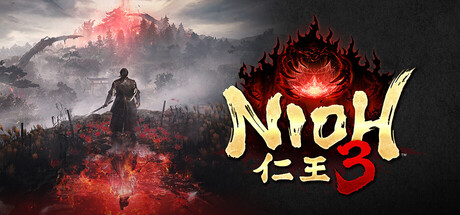
- Strong Visual Identity: Games like Nioh 3 utilize striking artwork, vibrant colors, and distinctive character designs in promotional materials to attract attention.
- Targeted Messaging: Successful RPGs often tailor their messaging to highlight key features that resonate with specific audiences. For instance, if your game emphasizes deep lore, showcase this in your promotional copy.
- Leveraging User Reviews: Positive user reviews can greatly influence new players. Encouraging feedback and showcasing top reviews in your marketing materials can build trust.
- Content Updates and DLC: Many successful RPGs engage their audience with regular content updates, expansions, or DLC, keeping the game fresh and maintaining community interest.
- Influencer Partnerships: Collaborating with gaming influencers who have a passion for RPGs can broaden your reach. Streamers and YouTubers can provide authentic exposure to your game.
Specific, Actionable Advice for Indie Developers Making RPG Games
1. Define Your Unique Selling Proposition (USP)
Identify what makes your RPG stand out. Is it a unique combat system, a gripping narrative, or stunning visuals? Make sure this USP is clear in all your marketing materials. For example, if your RPG features a time travel mechanic, emphasize this in your game’s description and promotional content.
2. Utilize the Steam Tag Generator
Use the Steam Tag Generator to find appropriate tags that fit your game. Tags help categorize your game on Steam, making it easier for potential players to find it. Use tags that match your game's core features, such as “Action RPG,” “Fantasy,” or “Single-player.”
3. Create Engaging Visual Assets
Invest in high-quality visual assets for your game's Steam page. This includes:
- Captivating Screenshots: Showcase different aspects of your game, such as character customization, beautiful environments, and combat.
- Trailers: Create an engaging trailer that highlights gameplay, story, and features. Use music and pacing to evoke emotions that match your game’s tone.
4. Craft Compelling Copy
Your game description should convey excitement and clarity. Use a narrative style that reflects your game’s tone. For instance, if your RPG is dark and gritty, adopt a more somber tone in your copy. Include key selling points and highlight unique gameplay mechanics.
5. Build a Community Early
Start building a community before your game launches. Use platforms like Discord or Reddit to create a space where fans can discuss your game, share feedback, and connect with each other. This sense of community can lead to word-of-mouth marketing.
6. Encourage User Reviews
Encourage players to leave reviews after they play your game. Engaging with players post-launch and thanking them for feedback can foster goodwill and encourage others to share their experiences.
7. Plan for Post-Launch Content
Have a roadmap for post-launch content ready. This could include DLCs, free updates, or seasonal events. Regular content updates keep the player base engaged and can draw in new players who are interested in a continuously evolving game.
Psychological Hooks That Resonate with RPG Players
Utilizing psychological hooks can significantly enhance your marketing strategy:
- Nostalgia: Many RPG players have fond memories of classic games. Tap into this nostalgia with design choices or story elements that evoke familiar feelings.
- FOMO (Fear of Missing Out): Create urgency with limited-time offers or exclusive content that players can only access for a short period after launch.
- Social Proof: Use testimonials and reviews to show new players that others have enjoyed your game, creating a sense of trust and community around your title.
Visual Themes, Copy Tone, and Positioning Strategies
Visual Themes
The visual theme of your branding should align with your game's aesthetic. For instance, if your RPG is set in a whimsical world, use bright colors and playful designs in your promotional materials. Conversely, for darker themes, opt for a more subdued color palette.
Copy Tone
Your copy tone should reflect the atmosphere of your RPG. If your game features humor, incorporate light-hearted language. For a serious narrative, maintain a more dramatic and intense tone. This consistency will help attract the right audience.
Positioning Strategies
Position your RPG against competitors by highlighting your unique features. If your game includes innovative mechanics or a unique art style, make sure these are front and center in your marketing efforts. Analyze competitors’ marketing strategies to find gaps you can fill.
Conclusion
Marketing an RPG on Steam can be a challenging yet rewarding endeavor. By understanding the genre's appeal and employing successful marketing patterns, indie developers can carve out a niche in this competitive landscape. Focus on creating a strong visual identity, engaging community, and leveraging psychological hooks to capture the attention of RPG enthusiasts.
FAQ
-
What are the best platforms to promote my RPG game?
Utilize social media platforms like Twitter, Instagram, and TikTok, as well as gaming forums and Discord communities. -
How can I effectively engage with the RPG community?
Participate in discussions on Reddit, Discord, and other gaming forums, share updates, and ask for feedback. -
What type of content should I share leading up to my game's launch?
Share development updates, character reveals, lore snippets, and behind-the-scenes content to build interest. -
How important are user reviews for RPG games?
Extremely important! Positive reviews can significantly influence new players and help build credibility. -
Should I consider creating DLC after my game's launch?
Yes, creating DLC can keep players engaged and attract new players looking for ongoing content. -
What role do influencer partnerships play in marketing RPG games?
Influencers can help you reach a broader audience, provide authentic reviews, and create buzz around your game.
Frequently Asked Questions
What are the best platforms to promote my RPG game?
Utilize social media platforms like Twitter, Instagram, and TikTok, as well as gaming forums and Discord communities.
How can I effectively engage with the RPG community?
Participate in discussions on Reddit, Discord, and other gaming forums, share updates, and ask for feedback.
What type of content should I share leading up to my game's launch?
Share development updates, character reveals, lore snippets, and behind-the-scenes content to build interest.
How important are user reviews for RPG games?
Extremely important! Positive reviews can significantly influence new players and help build credibility.
Should I consider creating DLC after my game's launch?
Yes, creating DLC can keep players engaged and attract new players looking for ongoing content.
What role do influencer partnerships play in marketing RPG games?
Influencers can help you reach a broader audience, provide authentic reviews, and create buzz around your game.