
Introduction
In the highly competitive arena of gaming, capturing the attention of potential players is both an art and a science. MARVEL Tōkon: Fighting Souls, the latest title from ARC SYSTEM WORKS, launched on August 6, 2026, as an exciting 4v4 tag team fighting game featuring iconic Marvel heroes. But how effective is its marketing strategy on Steam? In this forensic breakdown, we’ll dive into the various aspects of the game’s Steam page to identify what they nailed and where they fell short.
Capsule Art: First Impressions Matter
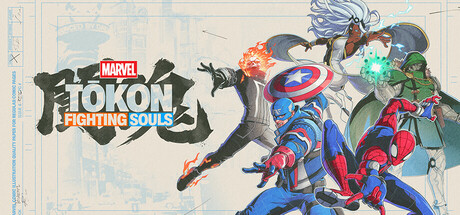
The capsule art of MARVEL Tōkon plays a crucial role in attracting potential players. A vibrant and engaging thumbnail can significantly impact click-through rates. Here’s how Tōkon fared:
- Color Palette: The artwork is colorful and dynamic, perfectly capturing the essence of both the Marvel brand and the arcade fighting genre. This is essential for grabbing attention amidst a sea of other titles.
- Character Representation: Featuring recognizable characters from the Marvel universe, like Spider-Man and Iron Man, instantly speaks to fans. This taps into nostalgia and brand loyalty, which are powerful motivators.
However, while the art is eye-catching, it could benefit from a more prominent display of the game's unique selling points—like its 4v4 mechanic—in the thumbnail itself.
Screenshots: Showcase the Gameplay
Screenshots on a Steam page serve as a window into the game’s world. For MARVEL Tōkon, the following elements stood out:
- Quality: The screenshots are high-quality and clearly depict the game's vibrant graphics and fast-paced action. This is critical for a fighting game where visuals and animations can make or break the experience.
- Variety: There is a healthy mix of screenshots showcasing different characters, environments, and combat styles, which gives potential players a taste of what they can expect.
However, there is a missed opportunity in not including a gameplay video. Videos can engage users more effectively than static images and are especially beneficial for showcasing complex mechanics, like tag-team combos.
Description Copy: Crafting the Narrative
The description copy of a game should do more than just inform; it should entice. Tōkon does an admirable job here:
- Engaging Language: The description employs action-oriented language that conveys excitement and urgency, such as “assemble your team” and “ultimate fighter.” This encourages players to imagine themselves in the heat of battle.
- Clear Mechanics: The mention of the 4v4 tag team mechanic is clear and well-integrated, which is crucial for potential players looking for multiplayer experiences.
- Story Elements: While it’s primarily a fighter, hinting at a story adds depth. This could attract players who enjoy narrative alongside competitive gameplay.
On the flip side, the description could be further enhanced by including bullet points for quick readability. Many players skim descriptions before deciding to read further, so clear, concise bullet points can drive home the game’s key features and benefits effectively.
Tags: The Power of Categorization
Tags are how Steam categorizes games and helps players discover them. Tōkon uses a robust set of tags, including:
- Action, Casual, 2D Fighter: These are essential for reaching the right audience.
- eSports, Team-Based: Positioning the game within the eSports framework can attract a competitive player base.
- Local Multiplayer, Singleplayer: Highlighting various modes increases the game’s appeal.
However, while the tags are extensive, they could benefit from more specific tags related to gameplay features, such as “Combo System” or “Character Customization,” which could further refine audience targeting.
Pricing Psychology: Setting the Right Price
The pricing strategy for MARVEL Tōkon plays a crucial role in its marketability. Here’s a breakdown of what was done right:
- Competitive Pricing: Positioned around $29.99, the price is competitive for a fighting game, especially one with a rich IP like Marvel. It’s essential to hit the sweet spot between perceived value and market expectations.
- Potential Discounts: While the initial price is fair, incorporating limited-time discounts during launch week or seasonal sales can encourage impulse buys and increase visibility on the Steam store.
That said, the pricing strategy could have included tiered pricing for different editions (e.g., standard vs. deluxe) to cater to various player segments and increase overall revenue potential.
What They Did Right
- Strong Visuals: The art and screenshots are designed to attract and retain attention.
- Engaging Description: The narrative is compelling, appealing to both casual and competitive players.
- Comprehensive Tagging: The use of tags effectively positions the game in relevant categories.
What They Could Improve
- Gameplay Video: Adding a trailer could enhance engagement and showcase gameplay dynamics.
- Bullet Points in Description: Streamlining the description for readability could help skim readers.
- Specific Tags: More specific gameplay tags could hone in on niche audiences.
- Discount Strategy: Implementing a promotional discount could drive initial sales.
Conclusion
MARVEL Tōkon: Fighting Souls has laid a solid foundation for its marketing strategy on Steam but has room for improvement. By focusing on visuals, engaging descriptions, and a smart pricing approach, they’ve set the stage for success. Yet, as the gaming landscape evolves, so too must their strategies.
For those looking to analyze their own Steam pages, consider using our Steam Page Scanner to uncover insights that can help you optimize your visibility and engagement.
FAQs
-
What makes a game’s capsule art important?
Capsule art is often the first impression players have of a game. Eye-catching visuals can significantly increase click-through rates. -
How can screenshots impact player interest?
High-quality, varied screenshots give potential players a glimpse into the gameplay, making them more likely to engage with the game. -
Why are tags crucial on Steam?
Tags help categorize games, making it easier for players to discover them based on their interests and preferences. -
What should a good description include?
A compelling description should be informative, engaging, and highlight the game’s unique features and mechanics. -
How does pricing affect game sales?
Pricing should balance perceived value with market expectations. Discounts can incentivize initial purchases and drive sales momentum.
Frequently Asked Questions
What makes a game’s capsule art important?
Capsule art is often the first impression players have of a game. Eye-catching visuals can significantly increase click-through rates.
How can screenshots impact player interest?
High-quality, varied screenshots give potential players a glimpse into the gameplay, making them more likely to engage with the game.
Why are tags crucial on Steam?
Tags help categorize games, making it easier for players to discover them based on their interests and preferences.
What should a good description include?
A compelling description should be informative, engaging, and highlight the game’s unique features and mechanics.
How does pricing affect game sales?
Pricing should balance perceived value with market expectations. Discounts can incentivize initial purchases and drive sales momentum.