
Introduction
In the vast ocean of video games on Steam, effective marketing can mean the difference between a title sinking or swimming. Aquarist - Asian Fish DLC, developed by FreeMind S.A., is a perfect case study to explore marketing strategies tailored for a niche audience. Released on April 4, 2026, this DLC aims to enhance the immersive experience of managing an aquarium with Asian fish species. Let’s break down how the marketing strategy plays out on their Steam page.
Capsule Art: The First Impression
Capsule art is the first thing potential buyers see, and it can significantly influence click-through rates.
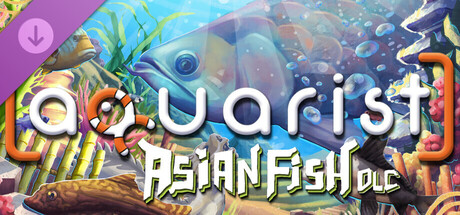
- What They Did Right: The capsule art for Aquarist - Asian Fish DLC is vibrant and visually appealing, showcasing a colorful underwater scene filled with various fish species. This aligns with the game's theme and attracts the eye of anyone interested in simulation or casual games.
- What They Could Improve: While the visuals are stunning, the title text on the capsule art could be made more prominent. A slightly bolder or larger font might help it stand out against the colorful background, ensuring that potential players immediately recognize it as a DLC for Aquarist.
Screenshots: Show, Don’t Just Tell
Screenshots are crucial for demonstrating gameplay mechanics, graphics, and overall atmosphere.
- What They Did Right: The screenshots effectively capture the essence of the gameplay, showcasing various fish species and aquarium setups. This allows players to visualize the new content they can expect from the DLC.
- What They Could Improve: However, the screenshots could benefit from captions or short descriptions. Adding context, like gameplay features or specific fish highlighted in each image, would provide viewers with more insight into what makes this DLC special.
Description Copy: The Art of Persuasion
The description is where the developers can really sell their game.
- What They Did Right: The description for Aquarist - Asian Fish DLC is well-structured and includes essential information about the new features. It highlights the educational aspect of the game, which is appealing to a family-friendly audience.
- What They Could Improve: However, the description could use more emotional engagement. Including a narrative element that describes the joy of creating a vibrant aquatic ecosystem or the thrill of discovering new fish could resonate more with potential buyers and increase conversions.
Tags: Reaching the Right Audience
Tags are vital for discoverability on Steam.
- What They Did Right: The developers have carefully selected a broad range of tags, including keywords like “Simulation,” “Indie,” and “Casual,” which are likely to attract a diverse audience. The inclusion of tags like “Education” and “Family Friendly” also positions the DLC well in niche markets.
- What They Could Improve: However, there are some tags that could be more specific to the DLC's features, such as “Aquarium Management” or “Asian Fish.” Adding these would help refine the target audience further and improve searchability.
Pricing Psychology: The Cost of Success
Pricing strategy can be a determining factor for a game’s success.
- What They Did Right: The DLC is priced competitively, likely in the range of $7.99 to $9.99, which is typical for DLCs in this genre. This price point is reasonable for most players, especially considering the depth of content provided.
- What They Could Improve: Implementing a limited-time launch discount could create urgency and encourage early purchases. Additionally, bundling the DLC with the base game at a discounted rate might also boost sales.
Overall Analysis: What Worked and What Didn’t
- Strengths:
- Visually appealing capsule art and screenshots.
- Well-structured and informative description.
- Appropriate use of tags for audience targeting.
- Weaknesses:
- Capsule art text visibility.
- Lack of captions for screenshots.
- Missed emotional engagement in the description.
- Specificity in tags could be improved.
For those of you looking to improve your own game's Steam page, consider using our Steam Page Scanner to analyze your store page for potential enhancements.
Conclusion
The marketing strategy for Aquarist - Asian Fish DLC has a solid foundation, but there are opportunities for improvement. By refining their capsule art, enhancing the description, and optimizing their tagging system, FreeMind S.A. can boost visibility and increase sales. As the gaming industry continues to evolve, understanding the nuances of marketing on platforms like Steam will be key to success.
FAQ
-
What is the primary target audience for Aquarist - Asian Fish DLC?
The primary target audience includes simulation enthusiasts, families, and casual gamers interested in educational content. -
How important are tags in Steam marketing?
Tags significantly impact discoverability, helping potential players find games that match their interests. -
What role does capsule art play in a game’s success?
Capsule art is the first impression for potential buyers; it must be eye-catching and informative to draw in players. -
What are effective pricing strategies for DLCs?
Competitive pricing, limited-time discounts, and bundling with the base game can effectively boost sales. -
How can developers engage players emotionally?
Developers can use narrative elements in descriptions and marketing materials to create an emotional connection with potential players.
Frequently Asked Questions
What is the primary target audience for Aquarist - Asian Fish DLC?
The primary target audience includes simulation enthusiasts, families, and casual gamers interested in educational content.
How important are tags in Steam marketing?
Tags significantly impact discoverability, helping potential players find games that match their interests.
What role does capsule art play in a game’s success?
Capsule art is the first impression for potential buyers; it must be eye-catching and informative to draw in players.
What are effective pricing strategies for DLCs?
Competitive pricing, limited-time discounts, and bundling with the base game can effectively boost sales.
How can developers engage players emotionally?
Developers can use narrative elements in descriptions and marketing materials to create an emotional connection with potential players.