
Introduction
In the ever-evolving world of indie game marketing, having a well-optimized Steam page is crucial for success. Today, we're diving into the marketing strategy behind Tootum, a handcrafted pixel art Metroidvania by developer Douglas Oliveira. Released on May 26, 2026, Tootum promises deep exploration and roguelike progression, but does its Steam page effectively convey this vision? Let’s break it down.
Capsule Art Analysis
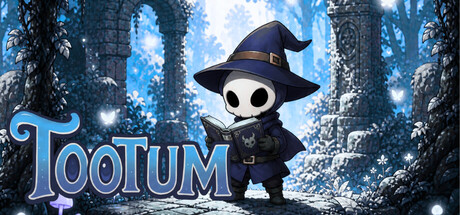
When it comes to attracting players, capsule art is the first impression a game makes. Tootum's capsule art features vibrant pixel graphics that align well with its genre. This is a great choice because:
- Visual Appeal: The colorful art style immediately catches the eye of potential players.
- Brand Identity: It effectively communicates the indie vibe and retro aesthetic, making it relatable to fans of the genre.
However, one area where Tootum could improve is in text clarity. The title font could be more readable, especially on smaller screens. A clearer, bolder typeface would enhance its visibility.
Screenshots: Windows into Gameplay
Screenshots are crucial for showcasing gameplay elements. Tootum includes a variety of screenshots that highlight:
- Exploration: Players can see different environments, hinting at the vast world they will explore.
- Combat Mechanics: Action shots demonstrate how players can engage with enemies, a key interest for Metroidvania fans.
- Roguelike Elements: Some screenshots depict different builds, emphasizing the evolution aspect of gameplay.
One suggestion would be to include captions or brief descriptions for each screenshot, guiding potential players through what they are looking at. This can enhance engagement and understanding, making your offerings more appealing.
Description Copy: Crafting the Narrative
The description for Tootum is engaging and packed with essential keywords. Here’s what they did right:
- Clear Overview: The description starts with a compelling summary of what the game is about, setting the stage for potential players.
- Highlighting Choices: By mentioning that every choice can lead to one of three endings, it appeals to players who enjoy narrative depth and replayability.
However, the description could benefit from a more structured format. Breaking it into sections with bullet points or headers could improve readability. For example:
- Key Features: List unique gameplay mechanics.
- Why Play Tootum: A call to action emphasizing the game's strengths.
Tagging Strategy: Reaching the Right Audience
Tootum's tag selection is impressive, featuring terms like Metroidvania, 2D Platformer, and Exploration. This is crucial for reaching the right audience, as tags are instrumental in searchability.
However, they might consider adding a few more niche tags such as Roguelike or Magic, which could help in attracting players specifically interested in those elements. Remember, more tags can increase discoverability, but they should remain relevant to avoid misleading potential players.
Pricing Psychology: Setting the Right Value
Though the exact pricing strategy for Tootum wasn't specified, understanding pricing psychology is essential. Here are some strategic considerations:
- Price Point: Pricing the game between $15-$20 could be ideal for an indie title of this caliber, positioning it as accessible yet premium.
- Discounts and Bundles: Launch promotions or bundled deals with similar titles could entice early buyers and create urgency.
What They Did Right and Wrong
What They Did Right:
- Visual Appeal: Attractive capsule art and screenshots enhance first impressions.
- Effective Tagging: A diverse range of tags ensures better visibility.
- Engaging Description: The narrative-driven approach appeals to the target audience.
What They Did Wrong:
- Readability Issues: Text and fonts need improvement for better visibility.
- Lack of Structured Information: The description could benefit from a more organized format.
- Underutilized Tags: Opportunity to include more niche tags to attract a broader audience.
Conclusion
In summary, Tootum has the potential to stand out in the crowded indie game market with its captivating visuals and storytelling. However, refining its Steam page through improved readability, enhanced descriptions, and strategic tagging could elevate its chances of success. Want to analyze your own Steam page? Check out our Steam Page Scanner for actionable insights!
FAQ
-
What is the most critical element of a Steam page?
The capsule art is crucial as it is the first thing potential players see. It should be visually striking and represent the game well. -
How important are tags on a Steam page?
Tags are vital for discoverability. They help players find your game when searching for specific genres or mechanics. -
Should I offer discounts at launch?
Yes, offering discounts during launch can create urgency and encourage purchases, helping you build an initial player base. -
Is a detailed description necessary?
Absolutely! A well-structured description can convey your game's strengths and engage potential players, increasing conversion rates. -
How can I improve my Steam page's SEO?
Focus on including relevant keywords in your game’s title, description, and tags to improve searchability on Steam and search engines.
Frequently Asked Questions
What is the most critical element of a Steam page?
The capsule art is crucial as it is the first thing potential players see. It should be visually striking and represent the game well.
How important are tags on a Steam page?
Tags are vital for discoverability. They help players find your game when searching for specific genres or mechanics.
Should I offer discounts at launch?
Yes, offering discounts during launch can create urgency and encourage purchases, helping you build an initial player base.
Is a detailed description necessary?
Absolutely! A well-structured description can convey your game's strengths and engage potential players, increasing conversion rates.
How can I improve my Steam page's SEO?
Focus on including relevant keywords in your game’s title, description, and tags to improve searchability on Steam and search engines.